


26th Sharjah Award For Library Literature Theme Announced With Focus On AI In The Industry
Sharjah Libraries has announced “Artificial intelligence in libraries: innovation and impact” as the theme for the 26th edition of the Sharjah Award for Library Literature, underscoring the role of advanced technologies in advancing knowledge systems and improving library services.
This edition features three categories: the Research Category, which includes three subfields: AI technologies and core applications, user experience and accessibility, and technical infrastructure and implementation, alongside the Best Arab Library or Information Institution Category, and the Best Project or Practice in the Field Category.
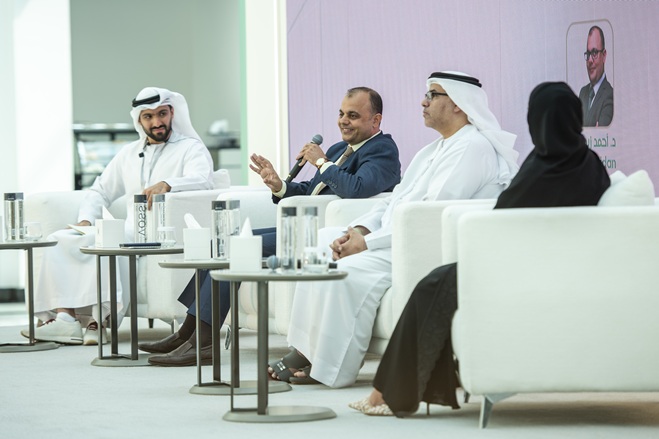
The announcement was made on the final day of the Sharjah Award for Library Literature Forum 2025, which examined the ethical responsibilities involved in content production and the impact of innovation and digital governance on the future of libraries. The event highlighted the need to equip professionals with the skills to manage this transformation and contribute to cultural and knowledge development.
Redefining the future of libraries
The “Core technologies and applications of artificial intelligence” subcategory examines how intelligent systems improve information access, organise resources, and tailor content to meet researchers’ needs. The “User experience and accessibility” looks at tools that make library services more user-friendly and interactive. The “Technical infrastructure and implementation” focuses on the infrastructure and data security needed to implement AI effectively and maintain user trust in digital services.
The existing “Best Arab library or information institution” category recognises organisations that have already integrated artificial intelligence into their operations and services. Similarly, the long-established “Best project or practice in the field” category honours initiatives that have successfully applied innovative solutions to improve services and enhance the use of technology in delivering content to users and researchers.
Forum recommendations
The forum concluded with recommendations to strengthen knowledge environments and prepare libraries for the AI era. Experts emphasised the need for continuous professional development through training programmes that keep pace with digital transformation. They also called for libraries to shift from being service providers to becoming active knowledge partners capable of delivering accurate research support.
The recommendations included launching digital initiatives and programmes to develop smart research skills within the wider community. Participants stressed the importance of deploying smart tools, such as virtual assistants, to support the academic sector. They also highlighted the need for flexible staffing models that allow employees to take on multiple roles and clear ethical and legal frameworks to ensure responsible AI use and protect intellectual property. They also urged libraries to expand their social role through initiatives that support lifelong learning and improve access to knowledge.
Panel discussions examine ethics, innovation, and the future of libraries
The final day featured a panel discussion titled “Between the algorithm and conscience: who governs the ethics of automated content?” with contributions from Dr. Abdulrahman Al Muaini, Dr. Hamda Al Hammadi, and Dr. Ahmed Zidan.
Speakers emphasised that while artificial intelligence is a valuable tool for research and knowledge production, it cannot replace human oversight or judgment. They stressed that AI-generated content must maintain originality and that human review remains critical to safeguard quality and credibility. The panel also warned that commercial competition among AI platforms often weakens ethical standards and increases the spread of inaccurate information. Participants maintained that AI should be used to detect misinformation and improve access to credible sources, helping to raise research standards without compromising academic integrity.
A second session, “From intelligence to responsibility: libraries of the future,” featured Dr. Imad Saleh, Randa Al Shadyaq, Tharwat Al Alimi, and Yasser Al Louati.
The panellists underlined that the future of libraries is deeply tied to artificial intelligence, with the main challenge being how to respond effectively to changing user needs in a technology-led environment. They noted that the strength of libraries will depend on their ability to understand users and anticipate their expectations.
The discussion highlighted the essential human role in directing AI, the importance of balancing speed with accuracy, and the need to treat AI strictly as a tool to support workflows and outcomes. Ultimately, the value of traditional and digital libraries lies in their usefulness to readers. Speakers cited smart assistants, automated indexing, and digital atlases as effective examples of how AI can be integrated to enhance information services.